How to Choose the Right Chinese Electric Cars for African Markets
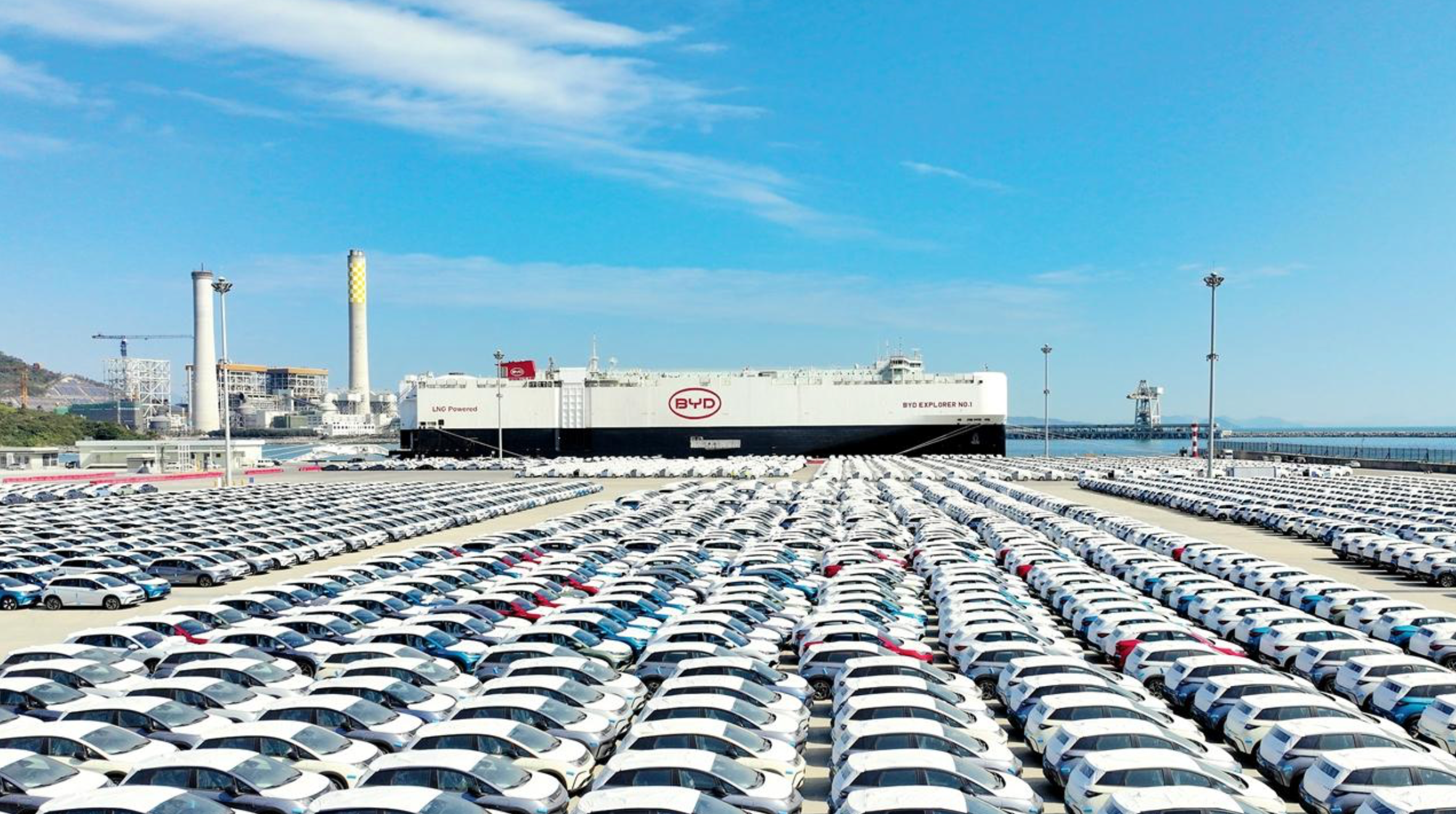
Chinese electric vehicles are attracting growing interest from car dealers, fleet operators, and importers across Africa. With a wide range of models available, buyers can explore different options for urban transportation, family use, ride-hailing, and business fleets.
But choosing the right electric vehicle for an African market is not as simple as finding the lowest price or the longest advertised driving range.
A car that works well in one country may not be the best choice in another. Charging infrastructure, road conditions, customer budgets, maintenance support, and local import regulations can all influence whether a vehicle is commercially viable.
If you are planning to import electric cars from China for resale or business use, this guide will help you evaluate the most important factors before placing an order.
1. Start with Your Local Market, Not the Car Catalogue
One of the most common mistakes when buying vehicles from overseas is choosing a model first and looking for customers later.
For car dealers, the better approach is to understand what local customers actually want.
Start by asking a few practical questions:
-
Are your customers looking for affordable city cars, family SUVs, or premium vehicles?
-
Will the cars be sold to private buyers, used for ride-hailing, or purchased by companies?
-
What price range can your customers realistically afford?
-
Is there sufficient demand for fully electric vehicles, or would hybrid vehicles be easier to sell?
-
Which vehicle brands and body styles are already popular in your market?
For example, a dealer serving urban commuters may find compact electric hatchbacks worth evaluating. A business targeting families may prefer electric SUVs with more interior space. A rental company may care more about operating costs, passenger comfort, and fleet maintenance.
These are different business needs, and they should lead to different purchasing decisions.
Our advice: Before requesting quotations, identify two or three vehicle categories that match your customers. This makes it easier to compare models and avoid tying up capital in the wrong inventory.
2. Electric, Hybrid, or Plug-in Hybrid: Which Is Better?
Not every market is ready for the same type of electrified vehicle. The right choice depends on charging access, driving patterns, fuel costs, and customer preferences.
Fully Electric Vehicles (EVs)
Fully electric vehicles use rechargeable batteries rather than an internal combustion engine for propulsion.
They can be worth considering for urban commuting, company fleets, and other applications where daily driving distances are predictable and charging can be arranged reliably.
Before importing them, check the availability of charging facilities, electricity supply at the intended operating locations, and access to suitable charging equipment.
For commercial fleets, also consider how much time vehicles will spend charging and whether that affects daily utilization.
Hybrid Vehicles (HEVs)
Conventional hybrid vehicles combine a combustion engine with an electric motor and battery. They do not normally require external charging.
They may suit customers who want some of the efficiency benefits of electrification without depending on public charging infrastructure.
However, fuel consumption still depends on driving conditions, vehicle specifications, and usage patterns.
Plug-in Hybrid Vehicles (PHEVs)
Plug-in hybrids can be charged externally and typically combine an electric driving capability with a combustion engine.
They may offer flexibility for buyers who can charge regularly but also need to travel longer distances without relying entirely on charging stations.
Their benefits depend on how often the vehicle is charged and how it is driven.
| Factor | Fully electric | Conventional hybrid | Plug-in hybrid |
|---|---|---|---|
| External charging | Required for normal operation | Not normally required | Needed to make full use of electric driving |
| Fuel requirement | No petrol or diesel for vehicle propulsion | Yes | Yes, when the combustion engine is used |
| Charging infrastructure dependence | Higher | Low | Moderate, depending on usage |
| Potential applications | Suitable urban and fleet operations | Mixed urban and longer-distance driving | Drivers with charging access and varied journeys |
| Key consideration | Charging access and battery suitability | Fuel economy and maintenance | Charging habits and system complexity |
This is not a ranking from best to worst. A fully electric vehicle may be an excellent choice for one customer and an unsuitable choice for another.
For importers, the objective is to select vehicles that fit the actual market rather than following a trend.
3. How to Evaluate Driving Range and Battery Performance
Driving range is one of the first specifications buyers compare when looking at electric vehicles.
However, the range shown in a product catalogue is not necessarily the distance a vehicle will cover in everyday use.
Official figures depend on the testing standard used. Actual performance can vary with driving speed, air-conditioning use, vehicle load, road conditions, temperature, and driving style.
When comparing Chinese EV models, check the following.
Official driving range: Confirm the range figure and the test cycle used. Do not assume that figures from different testing standards are directly comparable.
Battery capacity: Battery capacity is useful when comparing vehicles, but a larger battery does not automatically mean a better purchase. Consider the relationship between range, vehicle price, charging time, and intended use.
Battery warranty: Ask for the applicable warranty terms, including duration, mileage limits, and any relevant capacity-retention conditions. Confirm whether the warranty applies in the destination market.
Charging compatibility: Verify the charging connector, supported charging standards, onboard charging capability, and compatibility with the equipment available to the customer.
Battery condition for used vehicles: If you are buying a used EV, request a battery health assessment where available, together with service records and relevant diagnostic information.
For fleet buyers, it is also worth estimating daily mileage and the time available for charging. A vehicle that comfortably meets the fleet's daily requirements may be more practical than a more expensive model with a longer advertised range.
4. Consider Road Conditions, Climate, and Daily Use
African markets are diverse. Driving conditions in a large city can be very different from those in rural areas, smaller towns, or remote project locations.
Before choosing a vehicle, consider where and how it will be used.
Ground Clearance and Road Conditions
If the vehicle will frequently travel on uneven roads, rough surfaces, or poorly maintained streets, check ground clearance, tire specifications, suspension design, and underbody protection.
A compact city car may be appropriate for one customer group but less suitable for another that regularly travels outside urban areas.
Heat and Air-Conditioning Use
In hot climates, air-conditioning can affect energy consumption and driving range. Buyers should evaluate the vehicle's thermal management systems and obtain realistic operating information for the intended environment.
For electric vehicles, ask how the battery is managed under high-temperature conditions and whether the manufacturer provides relevant operating guidance.
Passenger and Cargo Requirements
A family vehicle, a ride-hailing car, and a company fleet vehicle may have very different space requirements.
Check seating capacity, luggage space, rear-seat comfort, tire availability, and the suitability of the vehicle for its intended workload.
The most attractive model on paper is not necessarily the one that best serves local customers.
5. Which Chinese EV Brands and Models Should You Compare?
China offers a broad range of electric vehicles, from compact city cars to larger SUVs and premium models. The right shortlist depends on your market, target price, and customer requirements.
Here are several examples worth researching.
BYD
BYD offers a broad electric vehicle lineup. Models such as the BYD Seagull and BYD Yuan Plus, also marketed as the Atto 3 in some markets, represent different vehicle categories.
The Seagull is a compact car to consider for urban use, while the Yuan Plus is an electric SUV suited to buyers who want more passenger and cargo space.
For importers, compare the exact version, battery configuration, charging specifications, and export availability rather than relying on the model name alone.
GAC AION
GAC AION offers electric vehicles in several body styles. The AION Y, for example, may be worth evaluating for buyers who prioritize interior space and practical daily transportation.
If you are considering an AION model, verify its precise configuration, charging compatibility, warranty arrangements, and availability of spare parts for your target market.
Other Chinese Brands
Depending on your requirements, you can also investigate electric vehicles from other Chinese manufacturers.
The important thing is to compare vehicles using the same criteria: price, specifications, usable range, safety equipment, charging compatibility, maintenance needs, and after-sales support.
Do not assume that a brand's popularity in China automatically translates into strong resale demand in your country. Local customer preferences and parts availability matter.
6. Calculate the Total Cost Before Placing a Bulk Order
For a vehicle importer, the purchase price is only one part of the investment.
A model that looks inexpensive at the factory may become less competitive after shipping, import duties, taxes, port charges, and other expenses are included.
Your cost calculation should consider:
-
Vehicle purchase price and selected configuration.
-
Domestic transportation and export-related charges in China.
-
International shipping and cargo insurance.
-
Destination port and handling charges.
-
Customs clearance, import duties, taxes, and applicable regulatory fees.
-
Inland transportation to your warehouse or dealership.
-
Charging accessories, preparation costs, and any agreed customization.
-
Spare parts, servicing, and warranty support arrangements.
The exact costs depend on the destination country, vehicle classification, shipping method, and applicable regulations.
Before comparing suppliers, make sure their quotations cover the same specifications and delivery terms.
For dealers, it is also important to estimate the likely selling price in the local market. Consider the expected margin, inventory turnover, financing costs, and the possibility that some models may sell more slowly than others.
A vehicle that offers a lower purchase price is not necessarily the one that produces the best commercial result.
7. Check Import Regulations and Vehicle Specifications
Before ordering electric vehicles from China, confirm that the selected models can be legally imported and registered in your destination market.
Requirements may differ for new and used vehicles, and regulations can change over time.
Check the following before paying a deposit:
-
Vehicle import eligibility and any applicable age restrictions.
-
Customs classification, import duties, taxes, and required permits.
-
Applicable safety, conformity, or technical requirements.
-
Vehicle identification and export documentation.
-
Charging connector and electrical compatibility.
-
Requirements for left-hand-drive or right-hand-drive vehicles.
-
Availability of the correct regional specification and onboard software.
Pay particular attention to vehicle configuration. Two cars carrying the same model name may differ in battery capacity, charging hardware, safety features, infotainment language, and other equipment.
If you need English or French infotainment, a particular charging connector, or specific vehicle features, confirm these requirements in writing before the order is finalized.
For dealers buying multiple units, checking the exact specifications before shipment can help prevent expensive problems later.
8. Think About Spare Parts and After-Sales Support
Selling the vehicle is only the beginning of the customer relationship.
If your customers cannot obtain replacement parts or find appropriate technical support, even an attractive vehicle can become difficult to sell.
Before choosing a model, ask the supplier about the availability of commonly needed parts, diagnostic support, maintenance documentation, and warranty procedures.
For electric vehicles, also consider the availability of qualified technicians and the procedures required to diagnose and service high-voltage systems safely.
If you plan to operate a fleet, discuss routine maintenance, tire replacement, downtime, and the arrangements available if a vehicle develops a technical problem.
These considerations are especially important when importing a model that has limited service coverage in your local market.
9. Start with a Carefully Planned Order
If you are introducing a new Chinese EV model to your market, you do not necessarily need to begin with a large shipment.
A more measured approach can help you understand customer demand and identify practical issues before expanding your inventory.
Consider the following steps:
-
Identify your target customers and the vehicle categories they prefer.
-
Shortlist two or three models that meet your budget and technical requirements.
-
Compare detailed specifications, supplier quotations, and destination costs.
-
Verify import eligibility and charging compatibility.
-
Confirm inspection arrangements, documentation, and warranty terms.
-
Evaluate demand and cash-flow requirements before deciding on the order quantity.
For fleet operators, the starting point may be different. You should first define the intended routes, daily mileage, charging arrangements, passenger requirements, and vehicle utilization targets.
The goal is to match the purchasing decision to the business model.
10. How YL Automobile Can Help
Sourcing vehicles from China involves more than selecting a model from an online catalogue. International buyers may need assistance comparing configurations, coordinating suppliers, checking vehicle availability, preparing export documentation, and arranging shipping.
YL Automobile supports international customers sourcing vehicles from China, including electric vehicles and conventional models.
We work with buyers to understand their requirements and coordinate vehicle procurement and export arrangements based on the selected models, quantities, and destination markets.
Whether you are a car dealer looking to introduce Chinese EVs to your showroom or a business planning an electric vehicle fleet, we can discuss suitable sourcing options based on your needs.
To help us prepare a more relevant proposal, please share:
-
Your destination country.
-
The vehicle types or models you are interested in.
-
Your preferred quantity.
-
Your target budget or price range.
-
Any requirements for driving range, charging connectors, infotainment language, or other configurations.
With these details, we can better understand your purchasing requirements and discuss the available options.
Final Thoughts
Choosing the right Chinese electric vehicles for an African market requires a balance between customer demand, technical suitability, total landed cost, charging access, and long-term maintenance support.
There is no single model that fits every country or every business. The best choice is the one that meets your customers' needs and makes commercial sense for your operation.
If you are planning to import Chinese electric vehicles for resale or fleet use, start with a clear understanding of your market, compare the specifications carefully, and confirm the destination requirements before placing an order.
Looking for Chinese electric vehicles for your market? Contact YL Automobile to discuss vehicle sourcing, bulk purchasing, and export arrangements from China.
Note: Vehicle specifications, availability, warranty coverage, pricing, and import requirements vary by model and destination market. Confirm all relevant details with the supplier and local authorities before placing an order.
How to Import a Car from China to Ghana in 2026
How to Source Auto Parts from China: A Guide for International Buyers
About the Author