How to Import a Car from China to Ghana in 2026
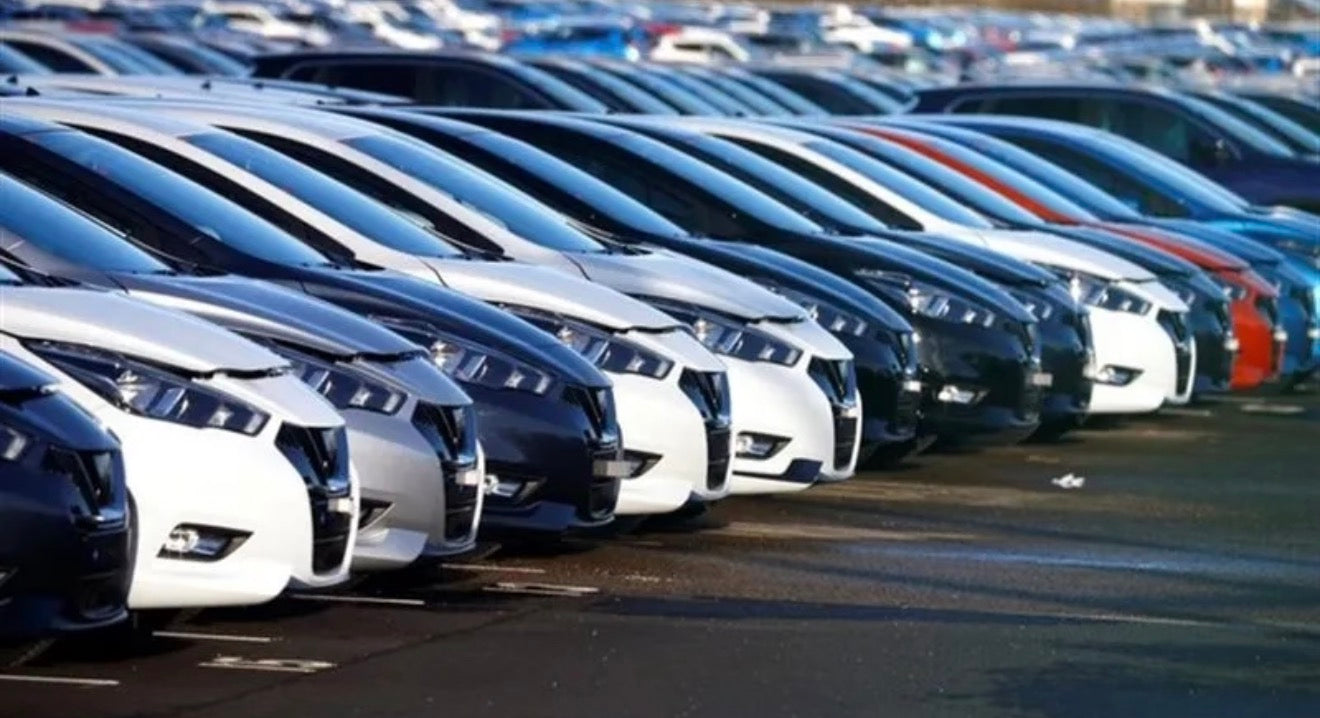

Thinking about buying a car from China and bringing it to Ghana?
You're not alone.
Chinese cars have become increasingly popular in international markets, and Ghanaian buyers can now find everything from affordable sedans and SUVs to electric vehicles, hybrids and commercial vehicles in China.
But there is one thing you should know before you start browsing car prices online:
The price of the car in China is not the price of the car in Ghana.
Once you add shipping, customs, port charges, clearing and registration, the final number can look quite different.
So, how does the whole process actually work?
Let's make it simple.
First: Is It Worth Importing a Car from China to Ghana?
For many buyers, it can be.
China has a huge automotive market, which means you have plenty of choices. You can compare different brands, specifications and price levels instead of being limited to whatever is available locally.
You can source:
-
New cars
-
Used cars
-
SUVs
-
Sedans
-
Pickup trucks
-
Electric vehicles
-
Hybrid vehicles
-
Commercial vehicles
-
Vehicles for rental or fleet businesses
And if you're buying several cars, China can be particularly interesting because you can negotiate directly for a fleet order.
But don't make the mistake of looking at the Chinese price and thinking:
"Great, this car is only US$20,000!"
There are a few more numbers waiting for you.
Let's go through them.
1. Start with the Car, Not the Shipping
Before worrying about containers or vessels, first decide exactly what car you want.
For example, don't just tell your supplier:
"I want a BYD SUV."
There may be several versions of the same model.
Instead, confirm:
-
Exact model
-
Trim level
-
Model year
-
Engine or motor
-
Fuel type
-
Battery size if it's an EV
-
Exterior color
-
Interior color
-
Key options
-
Infotainment system
-
Language options
For used cars, you should also ask for:
-
VIN
-
Mileage
-
Manufacturing date
-
Registration date
-
Vehicle history
-
Accident history
-
Maintenance records, if available
-
Detailed photos
The more specific you are at the beginning, the fewer surprises you'll have later.
2. Before You Pay: Check the Ghana Customs Cost
This is probably the most important piece of advice in this entire article.
Don't buy the car first and ask about customs later.
A car that looks cheap in China may not be cheap after it arrives in Ghana.
Ghana Customs considers factors such as the vehicle's value, type, engine capacity, fuel type and age when determining applicable duties and taxes.
The Ghana Revenue Authority also provides a vehicle duty system using vehicle information such as the VIN/chassis number, make, model and year.
So, before making the payment, get the vehicle details and check the potential customs cost.
3. What Does CIF Mean?
You'll probably hear the word CIF quite a lot when discussing vehicle imports.
It simply means:
Cost + Insurance + Freight
For example, imagine you buy a car from China for:
US$20,000
Shipping to Ghana costs:
US$1,500
Marine insurance:
US$100
Your example CIF value would therefore be:
US$21,600
But here's the important part:
US$21,600 is not your final cost in Ghana.
You still have customs, taxes, port charges, clearing, registration and possibly local delivery.
And customs valuation is not necessarily the same thing as simply taking the invoice price and adding freight.
4. So, How Much Does It Really Cost to Import a Car into Ghana?
Let's use a simple example.
Imagine you want to import a brand-new SUV from China.
| Cost | Example |
|---|---|
| Car price in China | US$20,000 |
| Shipping | US$1,500 |
| Marine insurance | US$100 |
| Example CIF | US$21,600 |
| Customs duties & taxes | To be calculated |
| Tema Port / terminal charges | To be confirmed |
| Clearing agent | To be confirmed |
| Registration | Applicable fees |
| Local delivery | Depends on destination |
So your calculation is basically:
Car + Shipping + Insurance + Customs + Port + Clearing + Registration + Delivery
That's your real landed cost.
This is why we always recommend looking at the landed cost, not just the car price.
A US$20,000 car can end up costing considerably more by the time it is registered and ready to drive in Ghana.
5. What About Ghana Import Duty?
This is where things can get a little complicated.
There isn't one simple "Ghana car import tax" percentage that works for every vehicle.
The applicable charges can depend on things such as:
-
Vehicle type
-
Engine capacity
-
Fuel type
-
Vehicle age
-
Customs valuation
-
CIF value
Depending on the vehicle, the final calculation may include import duty, VAT, NHIL, GETFund Levy and other applicable charges.
So if someone tells you:
"Don't worry, Ghana import tax is exactly XX%."
Be careful.
Ask them to calculate it for your actual vehicle.
That's much safer than using a generic percentage from an online calculator.
6. Buying a Used Car? Age Matters.

This is another area where buyers sometimes get caught off guard.
Ghana applies overage penalties to certain older imported vehicles.
For passenger cars, the published schedule includes:
| Vehicle Age | Overage Penalty |
|---|---|
| Up to 10 years | No penalty |
| Over 10–12 years | 5% of CIF |
| Over 12–15 years | 20% of CIF |
| Over 15–25 years | 50% of CIF |
| Over 25–35 years | 70% of CIF |
| Over 35 years | 100% of CIF |
These penalties are on top of the other applicable duties and taxes.
So don't automatically assume that an older car is the cheapest option.
Sometimes the car costs less in China but becomes much less attractive after customs.
7. How Do You Ship the Car from China to Ghana?
Once you've found the right car and checked the numbers, it's time to ship it.
For sea transportation, you'll generally come across two options:
RoRo
RoRo means Roll-on/Roll-off.
The car is driven onto the vessel and secured for the voyage.
This can be a convenient option for shipping individual vehicles or multiple cars when a suitable service is available.
Container
The car can also be loaded into a container.
This can make sense for certain vehicles and larger orders.
For example, if you're buying several cars for your dealership or rental business, container loading may be one of the options worth comparing.
The right choice depends on:
-
Number of vehicles
-
Vehicle dimensions
-
Shipping schedule
-
Freight rate
-
Port arrangements
So don't assume that RoRo is always cheaper or that containers are always better.
Compare both options for your actual shipment.
8. Where Does the Car Arrive?
For sea shipments to Ghana, Tema Port is the key gateway.
This is where things become a little different from buying a car locally.
Once your vessel arrives, you have to deal with the customs and port clearance process.
You'll typically have several parties involved:
-
Shipping line
-
Terminal
-
Ghana Customs
-
Clearing agent
-
Other relevant authorities
This is why having a reliable clearing agent in Ghana is important.
9. Do You Need a Clearing Agent?
Technically, customs clearance can be handled directly if you meet the applicable requirements.
But if this is your first imported car, working with an experienced clearing agent can save you a lot of headaches.
A good agent can help with:
-
Customs declaration
-
Vehicle classification
-
Customs valuation
-
Duty calculation
-
Documentation
-
Customs payment
-
Examination
-
Port release
-
Vehicle delivery
Ghana uses ICUMS — the Integrated Customs Management System — for customs processing.
The important thing is not to wait until your car arrives at Tema before starting everything.
Prepare the clearance process before the vessel arrives.
It can save both time and storage costs.
10. What Documents Do You Need?
The exact documentation depends on the vehicle and transaction, but you should expect to deal with documents such as:
-
Commercial Invoice
-
Bill of Lading
-
Vehicle information
-
VIN/chassis number
-
Vehicle title or ownership documents for used vehicles
-
Customs documentation
-
Other documents required by Ghana authorities
Your exporter should make sure the shipping documents are consistent with the actual vehicle.
For example, the VIN on the documents should match the VIN on the car.
It sounds obvious.
But it's exactly the kind of small mistake that can create a big problem later.
11. What Happens After Customs Clearance?
Once customs clearance is completed and the vehicle is released from the port, you're not quite finished yet.
The vehicle still needs to go through the appropriate registration process with the Driver and Vehicle Licensing Authority (DVLA).
Depending on the circumstances, this can involve:
-
Vehicle inspection
-
Customs documents
-
Vehicle verification
-
Registration fees
-
Registration documents
-
Number plates
After the registration process is completed, the vehicle can be legally used on Ghanaian roads.
12. What About Electric Cars?

This is becoming a much more important question.
If you're importing an EV from China, don't only ask:
"What's the battery range?"
There are several other things you should check.
Charging
Ask about:
-
AC charging
-
DC fast charging
-
Charging connector
-
Charging power
Battery
Check:
-
Battery capacity
-
Battery type
-
Warranty
-
Driving range
Software
This one is easy to overlook.
Some Chinese-market vehicles may have:
-
Chinese-language infotainment
-
Different navigation systems
-
Regional app restrictions
-
Different software features
So if you're buying an EV for Ghana, confirm the exact configuration before you pay.
A car can look perfect in the photos and still have a specification that isn't ideal for your market.
13. What If I Want to Buy 10 or 20 Cars?
That's a different game.
If you're a:
-
Car dealer
-
Rental company
-
Fleet operator
-
Transport company
-
Automotive importer
you may want to buy several vehicles at once.
For larger orders, you can usually work with an exporter to coordinate:
-
Vehicle sourcing
-
Price negotiation
-
Unified specifications
-
Vehicle inspection
-
VIN list
-
Export documents
-
Container loading
-
RoRo booking
-
Shipping schedules
And there's another advantage:
You can compare the total landed cost per vehicle.
For example, if you're buying 20 cars, a small difference in shipping or purchasing cost can become a significant amount across the entire order.
14. Five Mistakes You Should Avoid
1. Looking Only at the FOB Price
"US$20,000" sounds great until you start adding everything else.
Always ask:
What will this car cost me after it arrives in Ghana?
2. Buying an Old Used Car Without Checking Overage Penalties
The cheap purchase price may not stay cheap.
3. Not Checking the VIN
Always make sure the VIN on the vehicle matches the documents.
4. Assuming Every Version of a Model Is the Same
The same model can have completely different specifications depending on the market.
This is particularly important for Chinese EVs.
5. Choosing a Supplier Based Only on Price
If one supplier is significantly cheaper than everyone else, don't immediately celebrate.
Ask:
-
Where does the vehicle come from?
-
Is it actually in stock?
-
Can they provide the VIN?
-
Can they provide detailed photos?
-
Can they provide export documents?
-
Have they exported vehicles before?
A good international vehicle transaction should be transparent before you send the money.
15. Do You Need to Travel to China to Buy a Car?
Not necessarily.
Many buyers in Ghana purchase vehicles from China without travelling to China.
The key is having someone reliable on the China side.
A professional exporter can help you with:
Find the car → Check the car → Confirm the price → Inspect the vehicle → Prepare documents → Ship → Track the shipment
You don't necessarily need to fly to China just to buy one car.
Of course, for a large fleet order, visiting suppliers or factories can be useful. But for many standard transactions, the process can be handled remotely.
16. Why Work with a China-Based Vehicle Exporter?
The biggest advantage isn't simply finding a cheap car.
It's having someone on the ground who can help you deal with the entire process.
At YL Automobile, we work with international buyers looking for vehicles from China.
We can help with:
-
New vehicle sourcing
-
Used vehicle sourcing
-
Chinese-brand vehicles
-
EVs and hybrids
-
SUVs and sedans
-
Fleet orders
-
Vehicle inspection
-
Export documentation
-
RoRo shipping
-
Container shipping
-
Shipping coordination
Our customers include dealers, fleet operators, rental businesses and other international vehicle buyers.
17. Want to Know How Much Your Car Will Really Cost in Ghana?
This is probably the easiest way to start.
You don't need to know everything about international shipping before contacting us.
Just send us:
1. The car you want
2. New or used
3. Quantity
4. Your preferred specification
5. Your destination in Ghana
We'll help you work through the numbers from the China side.
Because when you're importing a car, the question isn't really:
"How much is the car?"
The better question is:
"How much will it cost me when it's ready to drive in Ghana?"
That's the number that really matters.
Beyond Car Export: Your China Sourcing & Export Partner
Building a Customized EV Fleet for Ghana with YL Automobile!
About the Author