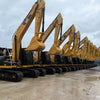
2026 Tipper Trucks: From China to Africa!

Tipper Trucks: From China to Africa
In the bustling construction sites and mining operations across Africa, one vehicle plays a crucial role in development: the tipper truck.
These robust, versatile trucks are essential for transporting materials like sand, gravel, and ore, forming the backbone of infrastructure projects.
With rapid urbanization and economic growth in many African nations, the demand for reliable tipper trucks has surged significantly.
This article explores how these vehicles are manufactured in China and exported to key African markets, particularly Nigeria, Rwanda, and Tanzania, highlighting the unique challenges and processes involved in this trade.

About Tipper Trucks
A tipper truck, also known as a dump truck or dumper, is designed to carry and unload loose materials through a hydraulic lifting mechanism.
Unlike standard trucks, tipper trucks feature a robust chassis and a powerful engine to handle heavy loads and rough terrain. They come in various sizes and configurations, from smaller 10-ton models for urban construction to massive 50-ton vehicles for mining operations.
The primary components include:
A strong chassis to support heavy loads
A durable tipping body, usually made of high-strength steel
A reliable hydraulic system for lifting and lowering
A powerful engine suitable for challenging conditions
Reinforced suspension and tires
These trucks are indispensable in construction, mining, agriculture, and infrastructure development – all sectors experiencing significant growth across Africa.

Why China Dominates Tipper Truck Exports to Africa
China has become the world's leading manufacturer and exporter of tipper trucks, particularly to developing markets like Africa. Several factors contribute to this dominance:
Cost-Effectiveness: Chinese manufacturers offer competitive pricing without compromising essential quality, making these trucks accessible to African businesses.
Adaptability: Chinese factories customize trucks to meet specific African requirements, including climate adaptations, terrain modifications, and regulatory compliance.
Volume Production: China's manufacturing scale allows for large-volume orders, ensuring timely delivery even for substantial fleet purchases.
Government Support: Both Chinese export incentives and African import policies often favor this trade relationship, with financing options available through Chinese banks.
Proven Reliability: Chinese tipper trucks have demonstrated their durability in African conditions over the past two decades, building trust among operators.
Exporting to Nigeria
Nigeria, with its population of over 200 million and extensive infrastructure needs, represents the largest African market for tipper trucks. The country's construction sector, mining operations, and growing agricultural industry create consistent demand for these vehicles.
Key Considerations for Nigerian Imports:
Standards Compliance: Trucks must meet Nigerian emissions and safety standards, which Chinese manufacturers now routinely incorporate.
Climate Adaptation: Vehicles are modified with enhanced cooling systems to handle Nigeria's tropical climate.
Payment Solutions: Given foreign exchange challenges, arrangements often involve letters of credit, advance payments, or financing through Chinese institutions.
Shipping Routes: Most tipper trucks arrive at Lagos ports (Apapa or Tin Can Island), with transit times typically ranging from 35-45 days from Chinese ports like Shanghai or Ningbo.
After-Sales Support: Recognizing the importance of maintenance, many Chinese exporters now partner with local Nigerian companies to provide spare parts and technical support.
The Nigerian market prefers robust 20-30 ton tipper trucks capable of handling both urban construction projects and rural road building initiatives.

Rwanda's Growing Demand for Tipper Trucks
Rwanda's remarkable economic growth and ambitious infrastructure plans have created a steadily increasing demand for tipper trucks.
The government's focus on becoming a regional logistics hub and developing urban centers has accelerated construction activities nationwide.
Unique Aspects of the Rwandan Market:
Landlocked Logistics: As a landlocked country, tipper trucks shipped to Rwanda typically arrive via Dar es Salaam in Tanzania or Mombasa in Kenya before overland transport to Kigali.
Quality Preferences: Rwandan buyers increasingly prioritize quality and fuel efficiency alongside durability, reflecting growing environmental consciousness.
Smaller Fleets: Unlike Nigeria's large fleet purchases, Rwandan buyers often acquire smaller quantities, requiring exporters to handle multiple smaller shipments efficiently.
East African Community Standards: Rwanda follows EAC vehicle regulations, which Chinese manufacturers have become adept at meeting.
Special Financing: Development projects often involve international funding, creating specific documentation requirements for exports.
The Rwandan market shows particular interest in medium-sized tipper trucks (10-20 tons) suitable for both urban development and rural road maintenance projects.
Tanzanian Market
Tanzania presents one of the most interesting cases for tipper truck exports from China, with specific requirements that distinguish it from other African markets.
The Right-Hand Drive Conversion
Unlike Nigeria and Rwanda which use left-hand drive vehicles (steering wheel on the left), Tanzania follows the British legacy of right-hand drive (steering wheel on the right) with vehicles driving on the left side of the road. This necessitates a crucial modification for all vehicles imported from China:
Chinese manufacturers produce vehicles primarily in left-hand drive configuration for their domestic market and most export destinations.
For Tanzania, the entire driver cabin configuration must be mirrored during manufacturing.
This involves repositioning the steering column, dashboard controls, pedals, and often the gearshift mechanism.
Instrument clusters are sometimes reconfigured for right-hand visibility.
Wiring harnesses and hydraulic lines need rerouting to accommodate the new layout.
Safety considerations include ensuring proper visibility and control placement for right-hand operation.
Reputable manufacturers complete these conversions at the factory rather than as aftermarket modifications, ensuring integrated design and maintaining warranty coverage.
This conversion typically adds 5-10% to production time and costs, but is essential for Tanzanian road compliance and operator safety.

Tanzania's Two Ports: Dar es Salaam vs. Tanga
Tanzania has two major seaports that receive vehicle imports, each with distinct characteristics affecting the tipper truck trade:
Dar es Salaam Port:
Tanzania's largest and busiest port
Handles approximately 90% of the country's international trade
However, for vehicle imports, it has a critical limitation: only one functioning crane for unloading vehicles
This bottleneck causes severe delays in vehicle clearance
Current timelines average 2 months from ship arrival to customer pickup
Congestion is compounded by high volume of all imports through this port
Storage limitations further complicate timely retrieval
Tanga Port:
Smaller, less congested port on Tanzania's northern coast
Specifically equipped for rolling stock and vehicle imports
Features multiple specialized vehicle unloading systems
Offers significantly faster processing times
Current timelines average 1 week from ship arrival to customer pickup
Lower congestion means quicker customs processing
Better storage facilities for vehicles awaiting clearance

The Chinese Shipping Preference
Most Chinese shipping lines carrying vehicles to Tanzania now preferentially route to Tanga Port despite Dar es Salaam's larger capacity. This preference stems from:
Efficiency: Tanga's faster turnaround allows shipping companies to complete more voyages annually.
Predictability: Reliable schedules are easier to maintain with one-week versus two-month port stays.
Cost Reduction: While Tanga might have slightly higher per-container handling fees, the dramatically reduced demurrage (port detention) charges and faster vessel turnaround create overall savings.
Customer Satisfaction: Importers receive vehicles quicker, improving cash flow and project timelines.
Specialized Infrastructure: Tanga has invested specifically in vehicle import facilities, creating a comparative advantage.
For tipper truck importers, this port preference has significant implications.
While Dar es Salaam might be geographically closer to some destinations within Tanzania, the Tanga route typically results in earlier vehicle availability despite potentially longer overland transport to final destinations.
YL Automobile's Comprehensive Service Solution
Navigating the complexities of exporting tipper trucks from China to African markets requires specialized expertise.
Companies like YL Automobile have developed comprehensive service models to facilitate this trade efficiently.
YL Automobile's One-Stop Service Includes:
Vehicle Sourcing and Procurement:
Identification of appropriate manufacturers based on quality, price, and reliability
Factory audits and quality control inspections
Negotiation of favorable purchase terms
Customization coordination (including right-hand drive conversion for Tanzania)
Export Documentation and Compliance:
Preparation of all necessary export documents
Compliance with Chinese export regulations
Meeting destination country import requirements
Certificate of Origin and other trade agreement documentation
Phyto-sanitary certificates for wooden components
Customs Clearance in China:
Professional customs declaration services
Tariff classification and duty optimization
Export tax rebate processing
Coordination with Chinese port authorities
Shipping and Logistics Management:
Optimal route planning based on destination
Selection of reliable shipping lines
Container loading and securing specialized for vehicle transport
Insurance arrangement for maritime transit
Real-time shipment tracking
Destination Port Services:
Advance coordination with port authorities
Arrangement of unloading services
Customs clearance assistance in destination country
Temporary storage solutions if needed
Overland transport coordination from port to final destination
Additional Value-Added Services:
Pre-shipment inspection and verification
Spare parts packaging and shipping
Documentation for after-sales service
Assistance with financing options
Market intelligence and regulatory updates
The YL Advantage for African Importers:
By handling the entire supply chain, YL Automobile reduces complexity for African buyers who might otherwise need to coordinate with multiple entities across different countries and languages.
Their expertise in navigating both Chinese export procedures and African import requirements creates a smoother transaction with fewer delays and unexpected costs.
For Tanzanian imports specifically, YL Automobile's knowledge of the right-hand drive conversion process and their established relationships with shipping lines using Tanga Port provide distinct advantages in delivery time and compliance assurance.

Challenges and Solutions
Despite the established trade routes, exporting tipper trucks from China to Africa presents ongoing challenges:
Regulatory Compliance: Each African country has evolving vehicle standards. Solution: Regular updates through local partners and pre-shipment compliance verification.
Financing Constraints: Many African importers face foreign exchange limitations. Solution: Collaboration with trade finance institutions and flexible payment structures.
After-Sales Support: Maintenance and parts availability concern buyers. Solution: Development of regional service centers and strategic spare parts stocking.
Cultural and Communication Barriers: Misunderstandings can arise in specifications and expectations. Solution: Bilingual technical staff and detailed documentation with visual aids.
Logistical Complexities: Port congestion and inland transportation delays. Solution: Advanced planning, buffer time incorporation, and multiple route options.
Quality Perceptions: Some buyers retain concerns about Chinese manufacturing quality. Solution: Transparency in manufacturing processes, third-party quality verification, and warranty offerings.
Future Trends and Developments
The tipper truck trade between China and Africa continues to evolve with several notable trends:
Electric Tipper Trucks: Chinese manufacturers are developing electric and hybrid tipper trucks, which may gain traction in African markets as electricity infrastructure improves.
Enhanced Telematics: Modern tipper trucks increasingly include GPS tracking and performance monitoring systems, appealing to fleet managers in Africa.
Local Assembly: Some Chinese manufacturers are establishing assembly plants in Africa, potentially reducing costs and customizing vehicles for specific regional needs.
Environmental Standards: As African nations adopt stricter emissions regulations, Chinese exporters are preparing Euro 4 and Euro 5 compliant models.
Digital Platforms: Online marketplaces for commercial vehicles are emerging, potentially simplifying the purchase process for African buyers.

Conclusion
The journey of tipper trucks from Chinese factories to African construction sites represents more than just a commercial transaction—it symbolizes the tangible infrastructure development occurring across the continent.
From Nigeria's massive urban projects to Rwanda's regional connectivity initiatives and Tanzania's mining operations, these vehicles enable progress.
The specific case of Tanzania highlights how attention to detail—like right-hand drive conversion and strategic port selection through Tanga rather than Dar es Salaam—can significantly impact project timelines and costs.
Service providers like YL Automobile that offer comprehensive solutions from procurement through delivery add substantial value in this complex international trade.
As Africa's development accelerates, the demand for reliable tipper trucks will continue growing. The established trade routes from China, with their evolving adaptations to market specifics, are well-positioned to support this infrastructure development for years to come.
The partnership between Chinese manufacturing capabilities and African development needs creates a synergy that builds not just roads and buildings, but economic opportunities and improved living standards across the continent.
If you are interested in the content of the article, please do not hesitate to contact us for more vehicle related information:YL Automobile
Related Reading
Volkswagen Tharu Price and Review in Algeria!

About the Author